Monomers and Chemical Intermediates

C2, C3, C4

Main production

Production

On-site

Sans

steam craker

No water consumption

100% electric

94% efficiency

Plug-and-play machine

All types of plastic waste

No consumables

Our recycling solutions

Monomeris Chemicals’ technology is designed to provide a turnkey, sustainable, and costeffective solution for the chemical recycling of plastics. It is based on strong and flexible industrial partnerships tailored to the nature of the waste, customers’ capabilities, and their strategic objectives.

For recyclers looking for a reliable, modern, and cost-effective solution, Monomeris Chemicals is the obvious choice.

Compact, plug-and-play machines: a game-changer for recyclers, landfills, manufacturers, and incinerators. Monomeris Chemicals’ recycling machines stand out for their compact design and “plug-andplay” operation—two major advantages that transform the daily operations of recyclers Thanks to their compact size, these machines fit easily into any industrial environment, even in tight spaces. No need to invest in large-scale infrastructure: the minimal footprint allows for quick, flexible, and cost-effective installation.

Customizable modular technology, space-saving design

Their “plug-and-play” nature means that these systems are modular, ready for use right out of the box, and easy to maintain. No lengthy installation times, no complex adjustments: operators can start production immediately. This significantly reduces commissioning costs and downtime, while increasing productivity.

Monomeris: The Perfect Blend of Technological Performance and Sustainable Recycling

But what truly sets Monomeris machines apart is their advanced technology combined with unmatched ease of use. They enable efficient, fast, and environmentally friendly recycling, while adapting to the specific needs of each customer.
Production of monomers

Using our patented recycling technology, we are able to produce the following monomers:

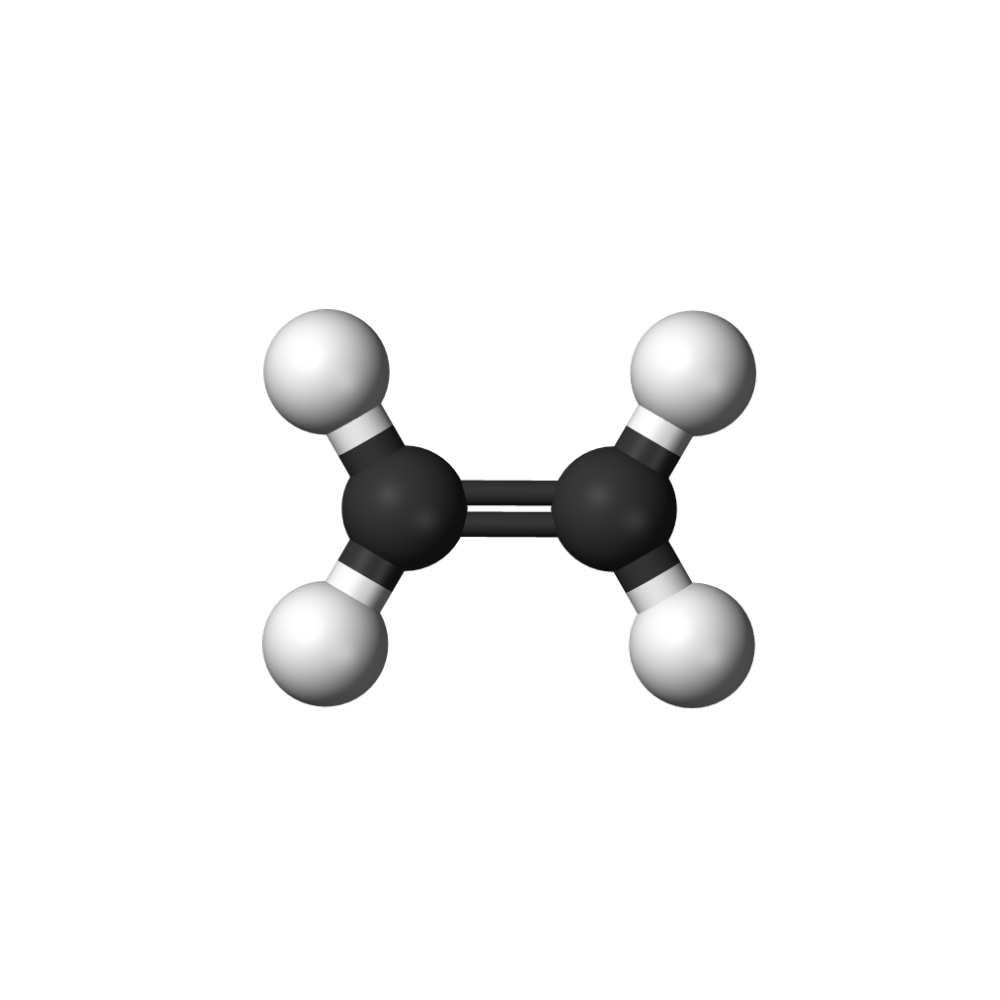
Ethylene 

The most widely used monomer in the world, with the formula C₂H₄, it forms the basis of the most commonly produced polymer: polyethylene. It is also a precursor to many chemical compounds. It is the compound we produce most regularly from a wide range of plastic resins, particularly polyolefins.

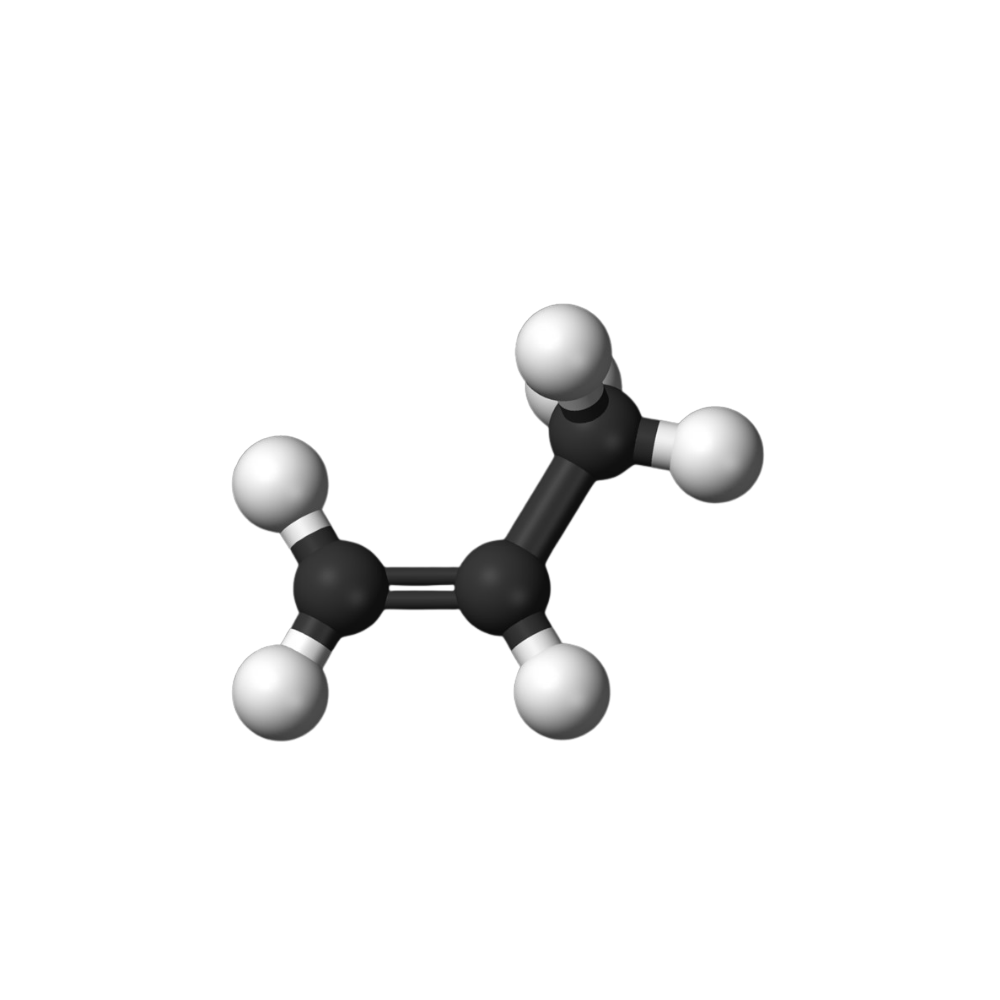
Propylene 

The second most widely used monomer in the world, with the formula C₃H₆, it is used in particular to manufacture polypropylene as well as other chemical compounds. It is a monomer that we primarily produce from polyolefins.

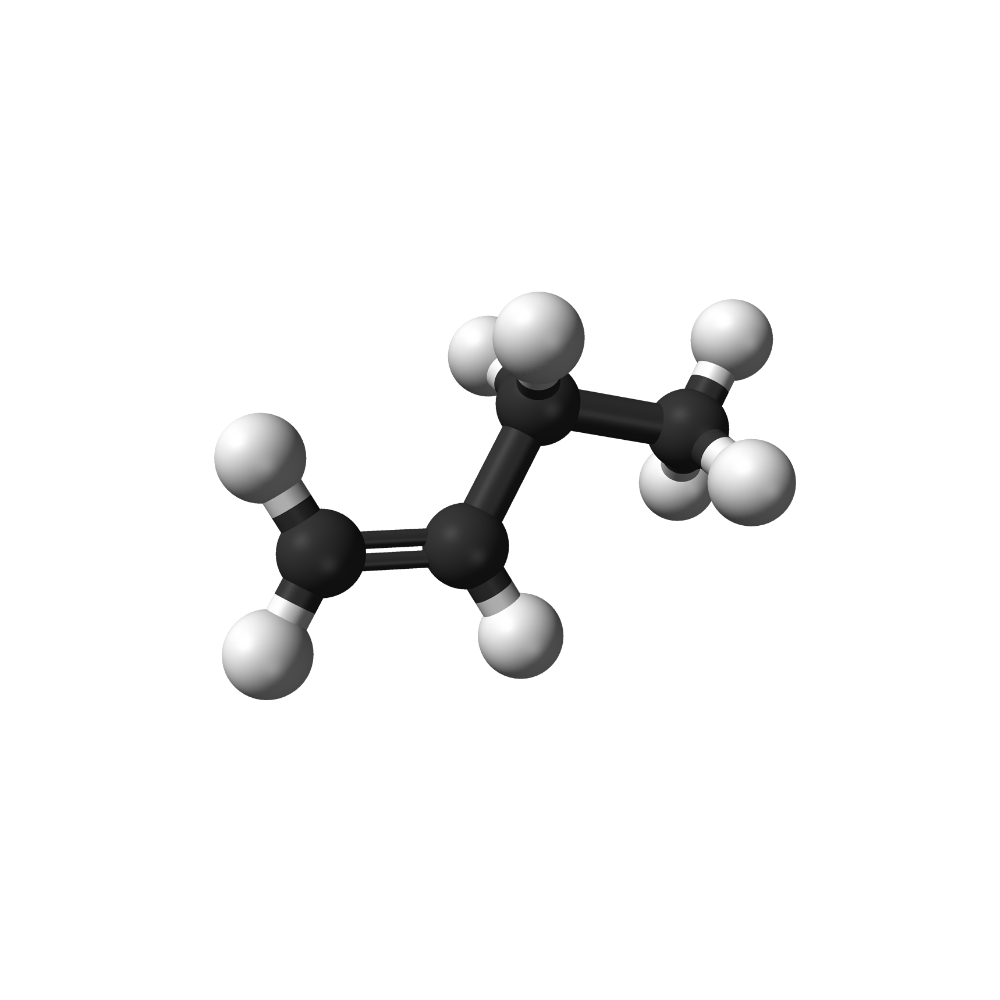
Butenes 

Although typically produced in small quantities, we can manufacture various C4 compounds (1-butene, 2-butene, isobutene, butadiene) depending on the resin blends to be processed, including elastomers that facilitate their production. They are used in the manufacture of various polymers and in the production of various chemical compounds.

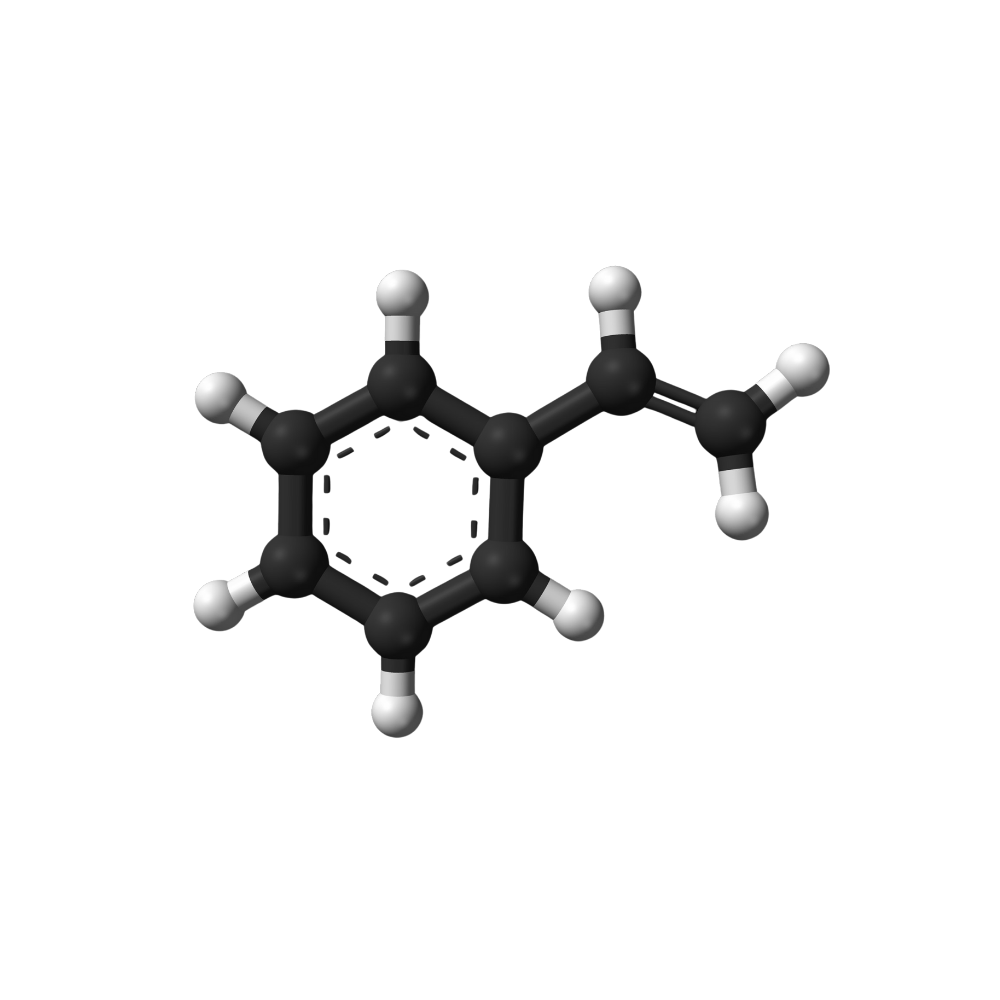
Styrene

A specific aromatic compound, it is used, for example, in the production of polystyrene, ABS, SAN, and BS resins. We produce it almost exclusively through the depolymerization of styrene polymers.

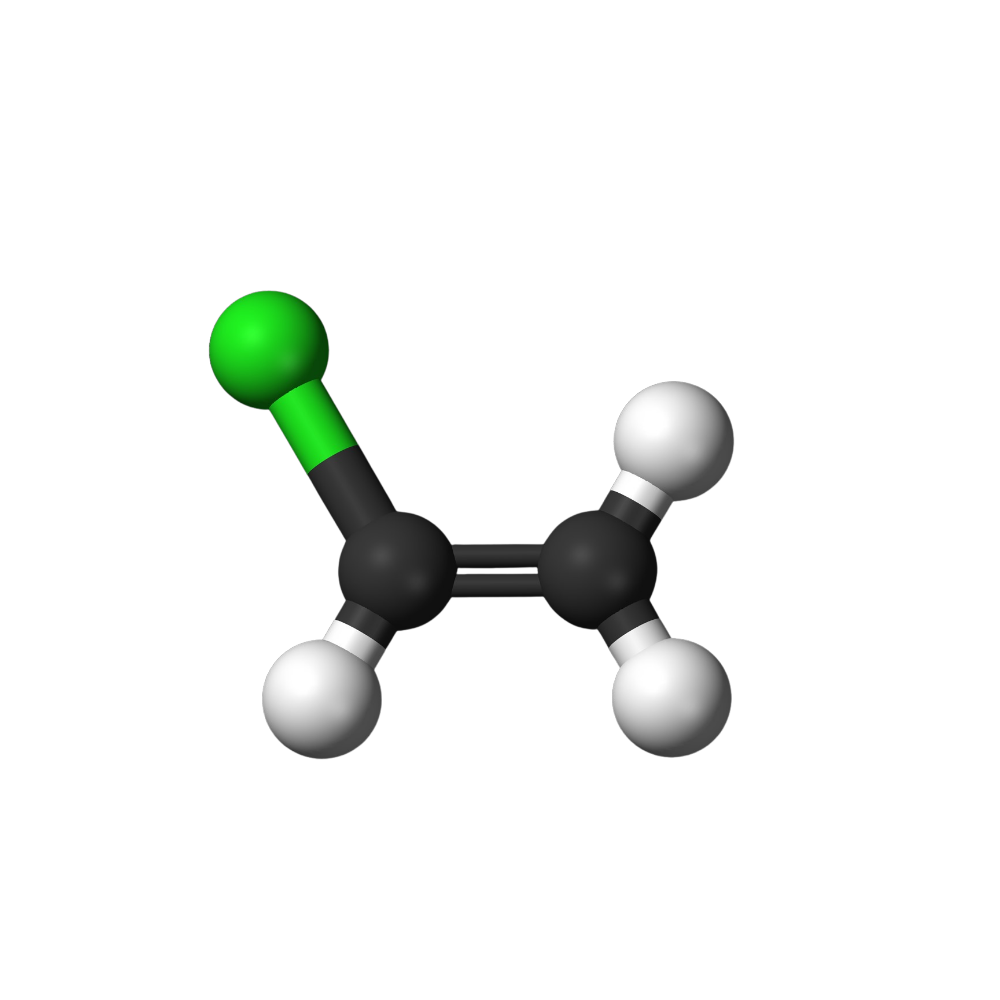
Halogenated derivatives

Using chlorinated waste, particularly PVC, and with the aid of specific catalysts, we can direct the production of halogenated compounds, including potentially vinyl chloride and dichloroethane.

Production of chemical intermediates

Using our patented recycling technology, we are able to produce the following monomers:

Nitrogen-containing derivatives

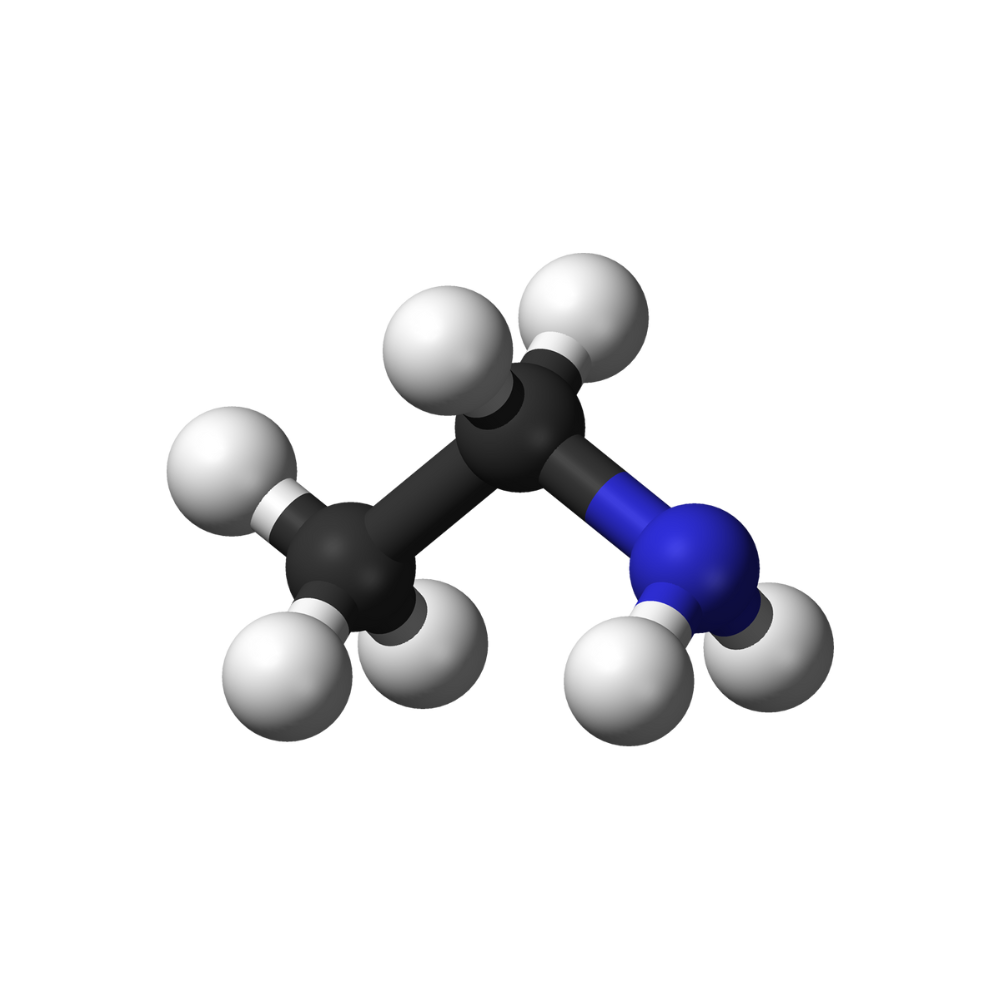
Starting with waste materials consisting primarily of polyamide (PA, PPA, etc.) or based on acrylonitrile, it is possible to produce conventional monomers as well as nitrogen-containing derivatives (amines, hydrogen cyanide, acrylonitrile).

BTEX

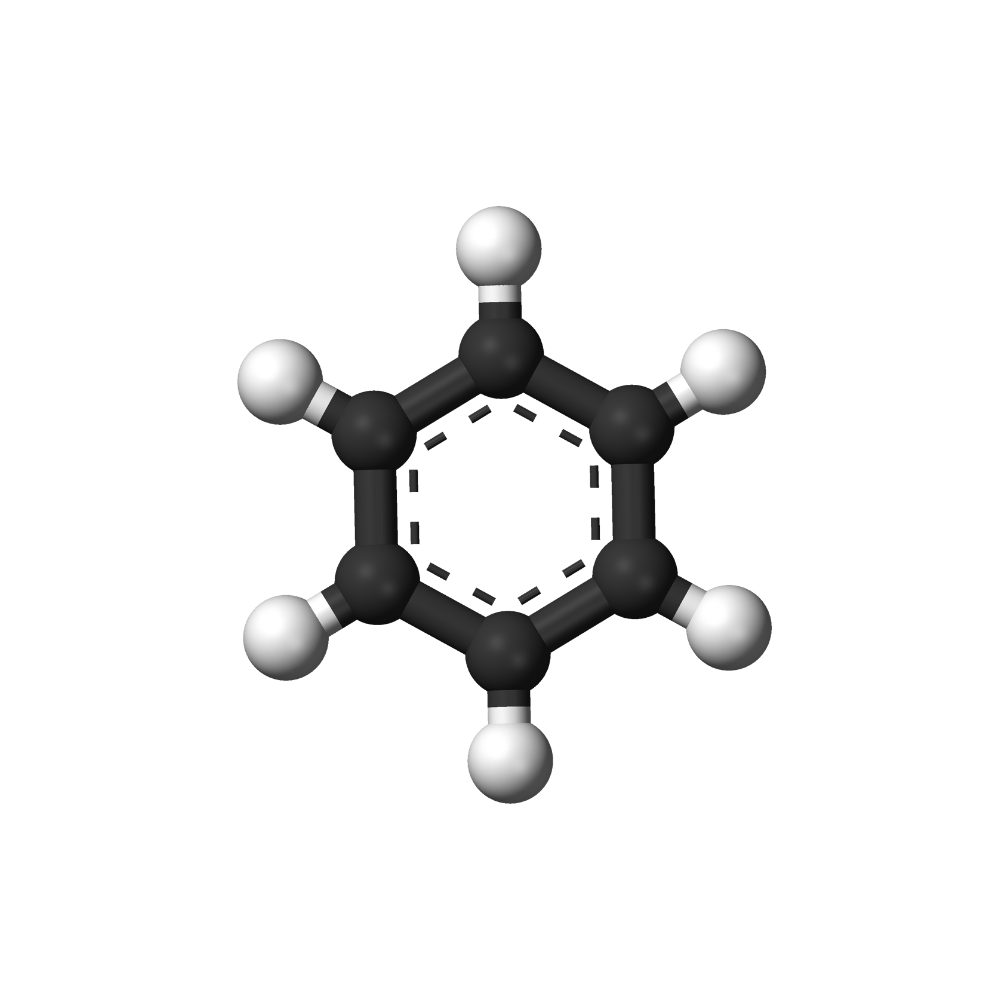
These compounds are commonly produced from aromatic resins (PET, PBT, PC, PEEK, PSU, etc.) and can be separated more easily from light monomers through condensation.

VOCs

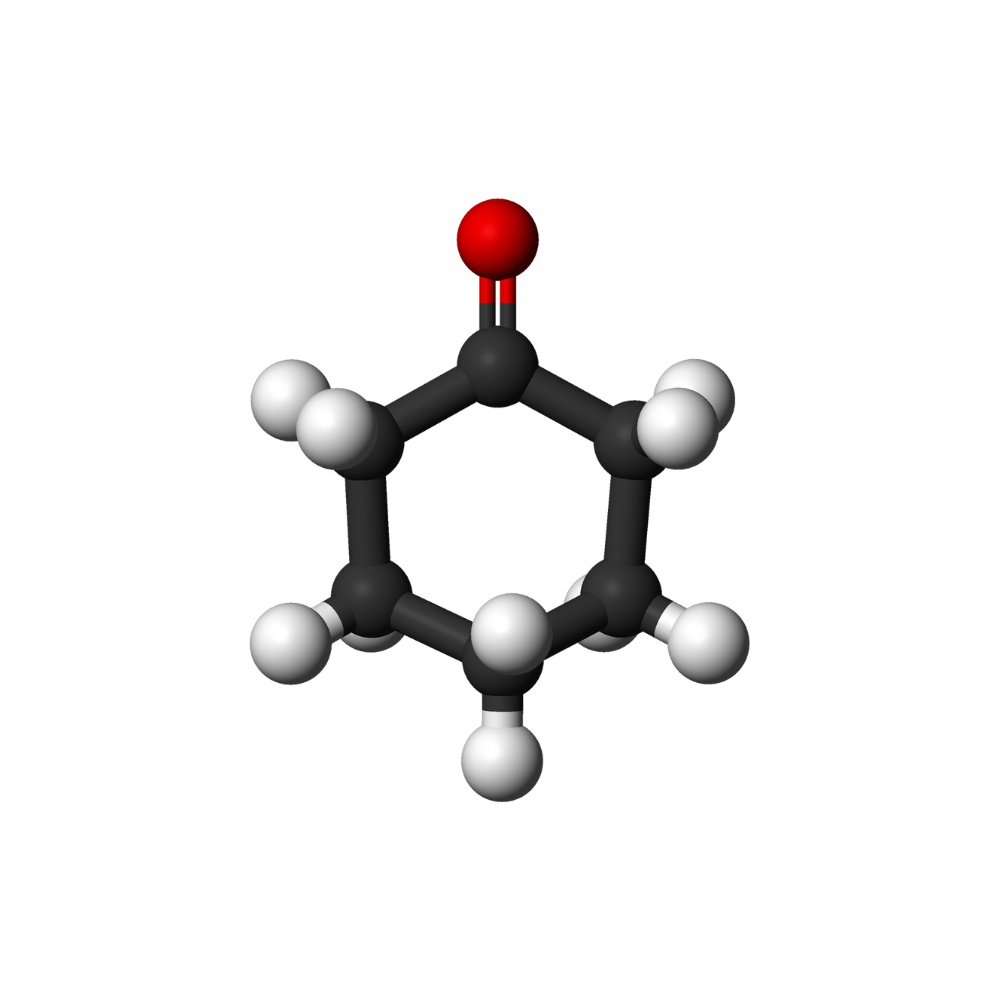
Depending on process conditions and using wood and cellulose-based waste as feedstock, our units can be optimized to produce certain oxygenated compounds, particularly low-molecularweight aldehydes and ketones.

Hydrogen

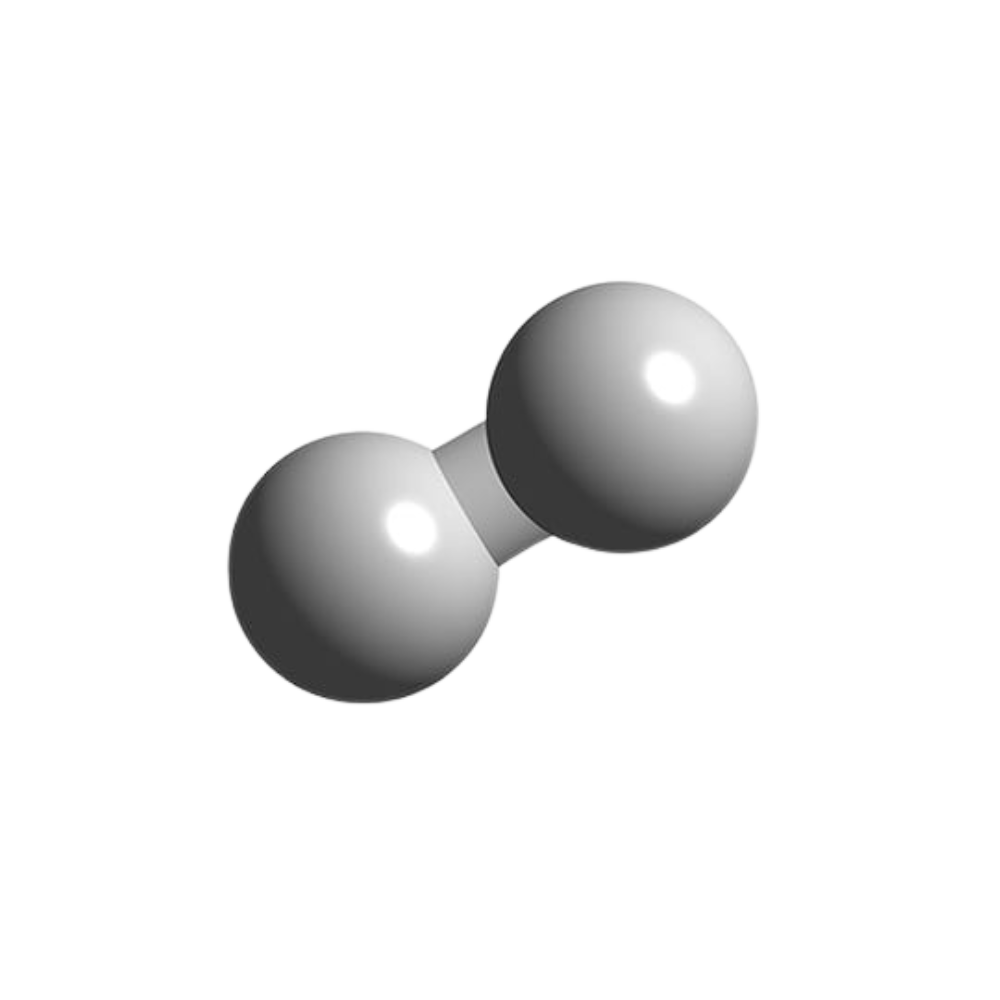
Depending on the composition of the waste being processed, a fraction of hydrogen may be generated and separated from the monomers and chemical intermediates. Sometimes produced in the form of syngas (a mixture of CO and H₂), hydrogen production generally accounts for a small fraction and can affect the other compounds resulting from depolymerization.

By-product gases

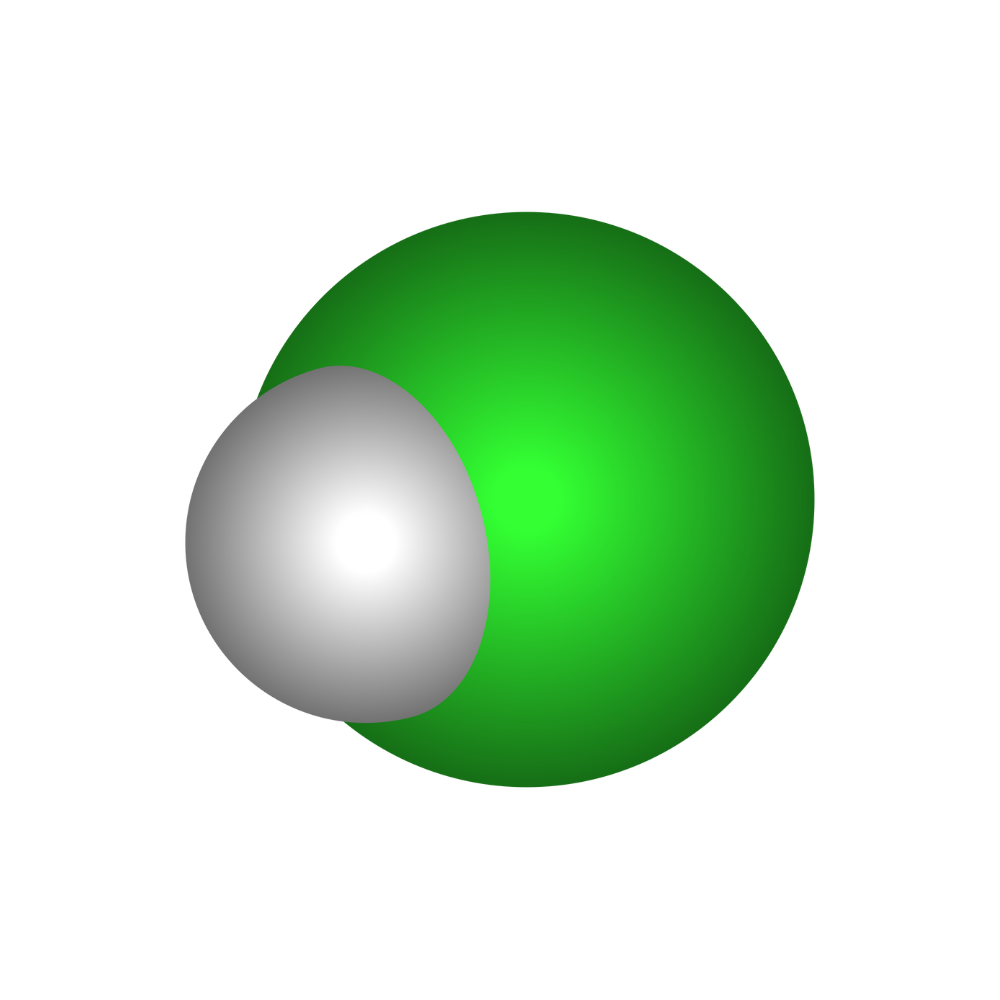
In addition to other chemical compounds generated—and depending on the waste mix—some recoverable residual gases may be produced, such as ammonia (NH3), hydrochloric acid (HCl), hydrogen sulfide (H2S), and methane (CH4).

Production of monomers

Production of chemical intermediates

Newsletter

Inscrivez vous à notre newsletter pour ne rien manquer de nos actualités